
Ab boards & Accessories

Sort by
 8806586974386
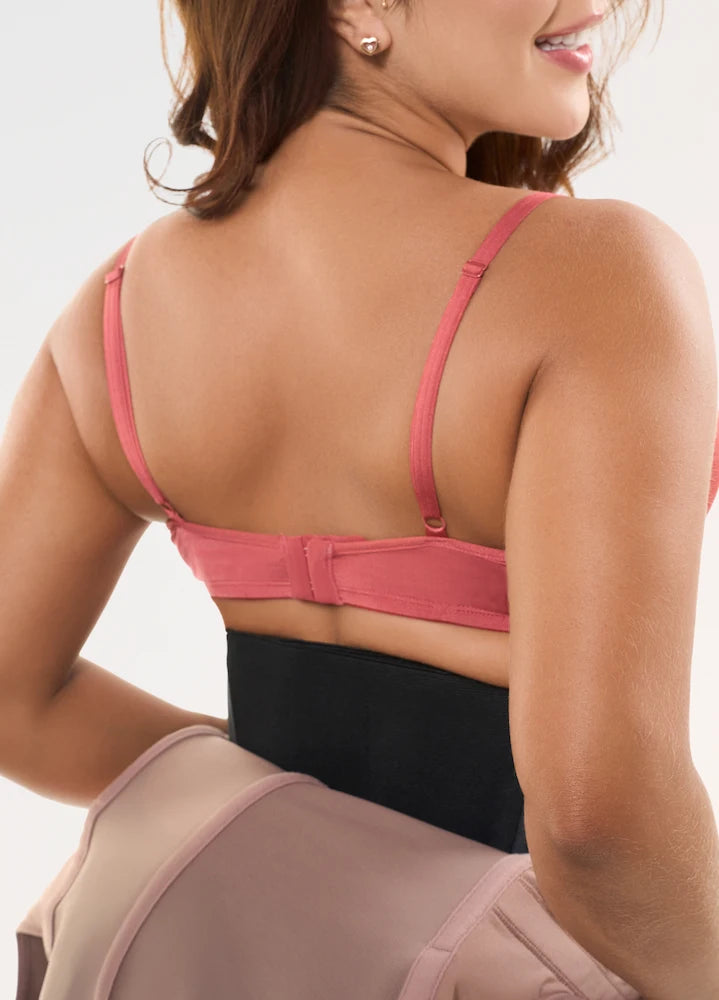
 9112073155
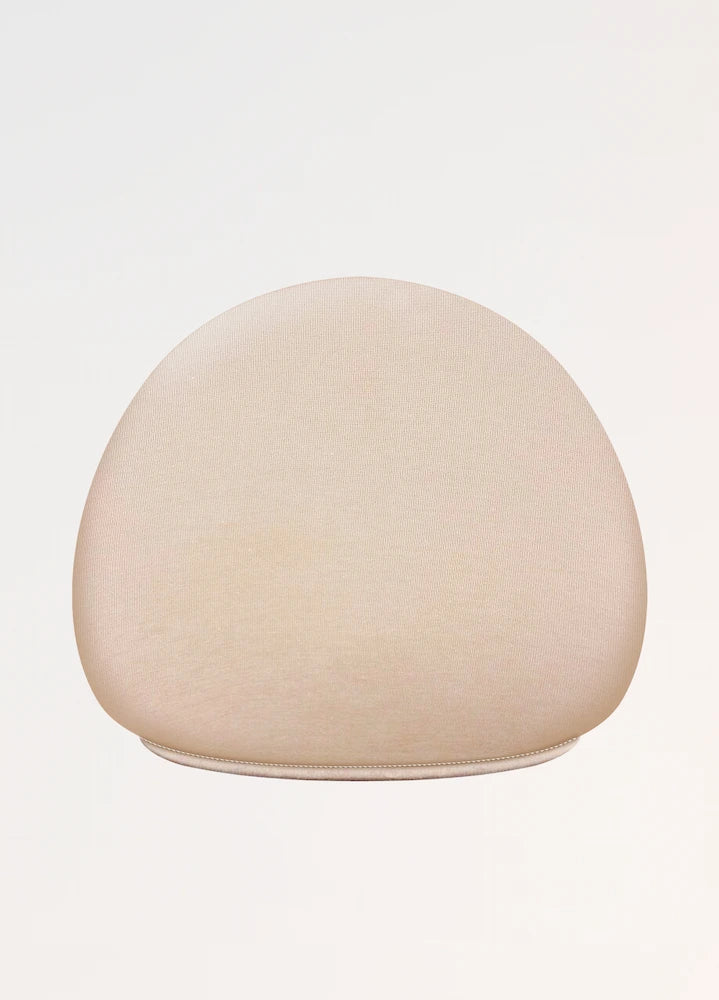
 8809502277810
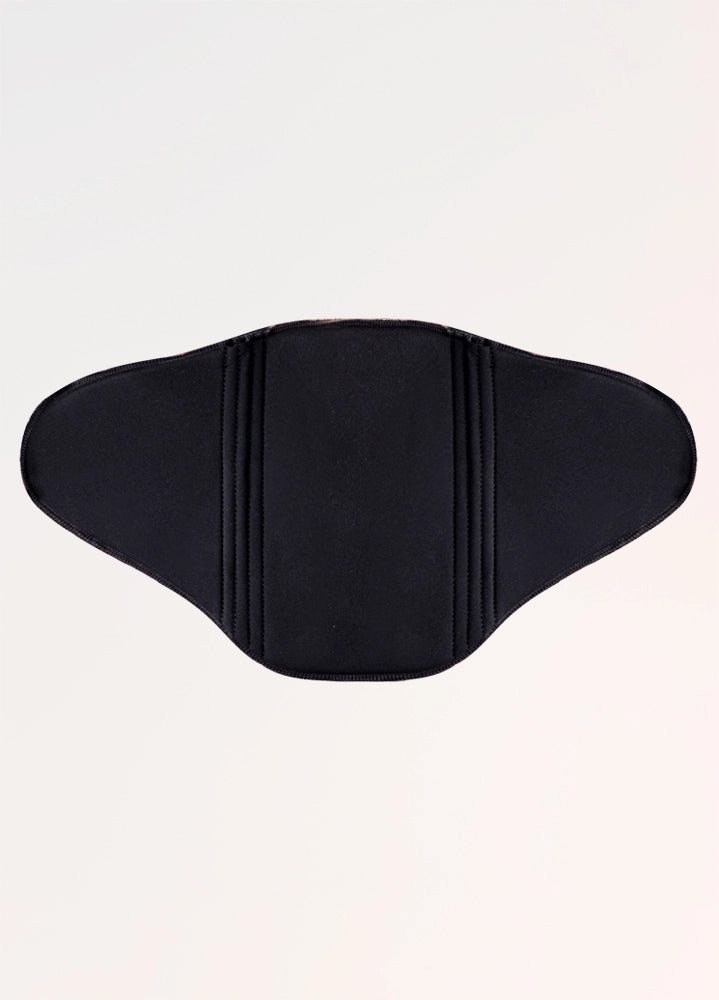
 8808029683890

Choosing an Abdominal Board
After liposuction or a tummy tuck, your compression garment does the squeezing — but fabric alone follows the shape it finds. An abdominal board sits between your skin and the faja and spreads that pressure evenly across the area, which helps keep the garment lying flat against the body. Your surgeon decides whether you need one, when to start and how long to wear it.
Choosing by area
The 2505 Premium and the 2507 cover the central abdomen and are the usual starting point. The 2513 adds silicone bars for more defined compression, and the 2516 extends to the sides, for wider coverage.
The 2514 Pear-Shaped is contoured for the lower abdomen — an area most boards leave uncovered.
For BBL recovery, the 2511 Lumbar Board and the lighter 2506 Mini work the lower back without pressing the gluteal area.
And the 2515 360 Wrap covers the full torso in one piece, for when compression needs to be continuous rather than zone by zone.
Boards or foam?
They do different jobs. A board is rigid and flattens. Lipo foam — like the 2512 lateral set — is soft and fills the gaps a garment leaves, so pressure reaches the curve of the waist instead of bridging over it. Many patients use both: foam against the skin, board on top.
Getting the fit right
A board should feel firm, never sharp. If you notice numbness, tingling, skin indentations that don’t fade, or pain at the edges, take it off and ask your surgeon before using it again. A board that is too large will dig into the ribs or hips; one that is too small leaves untreated zones.
Beyond the abdomen
The collection also includes chin compression garments — the C32VE with a soft Velcro fit and the 0322 with adjustable face and neck support — for recovery from facial procedures.


